EU AI Act, Art. 50 · Since 2 August 2026, AI images on your website must be labelled.
AI images on your website.
Labelled. Automatically.
Since 2 August 2026, the EU AI Act has obliged you to label AI-generated content transparently. AI Image Label takes care of that for you in TYPO3: on upload and in the frontend.
Which images on your website were created with AI?
If you don't know, it gets expensive.
In most editorial teams, AI images have long since found their way into the media pool: from Firefly, Midjourney, DALL·E or Stable Diffusion, often via agencies, stock portals and suppliers. After a few months, nobody knows any more which image came from where.
- The existing stock can no longer be reconstructed. Anyone reviewing the media pool manually is quickly going through several thousand files – without a reliable result.
- Missing labelling is a legal risk. The transparency obligations under Art. 50 can trigger cease-and-desist letters and fines. Mistakes come to light sooner or later.
- The problem grows with every upload. As long as no classification takes place, the unchecked stock grows every day.
How AI Image Label works
Detects AI automatically
On upload, the extension checks the file's metadata: Firefly, Midjourney, DALL·E, Stable Diffusion, C2PA and other signatures. Detected images are pre-classified straight away.
No image slips through
Whatever the automatic detection cannot classify unambiguously is decided by the editorial team. The mandatory “AI Compliance” field prevents unclassified uploads – with three clear states: AI-generated, AI-modified or not AI-generated.
EU AI icon or your own CI
In the frontend, the official EU label or a graphic adapted to your brand appears automatically. Position, size and caption are configurable.
What the labelling looks like
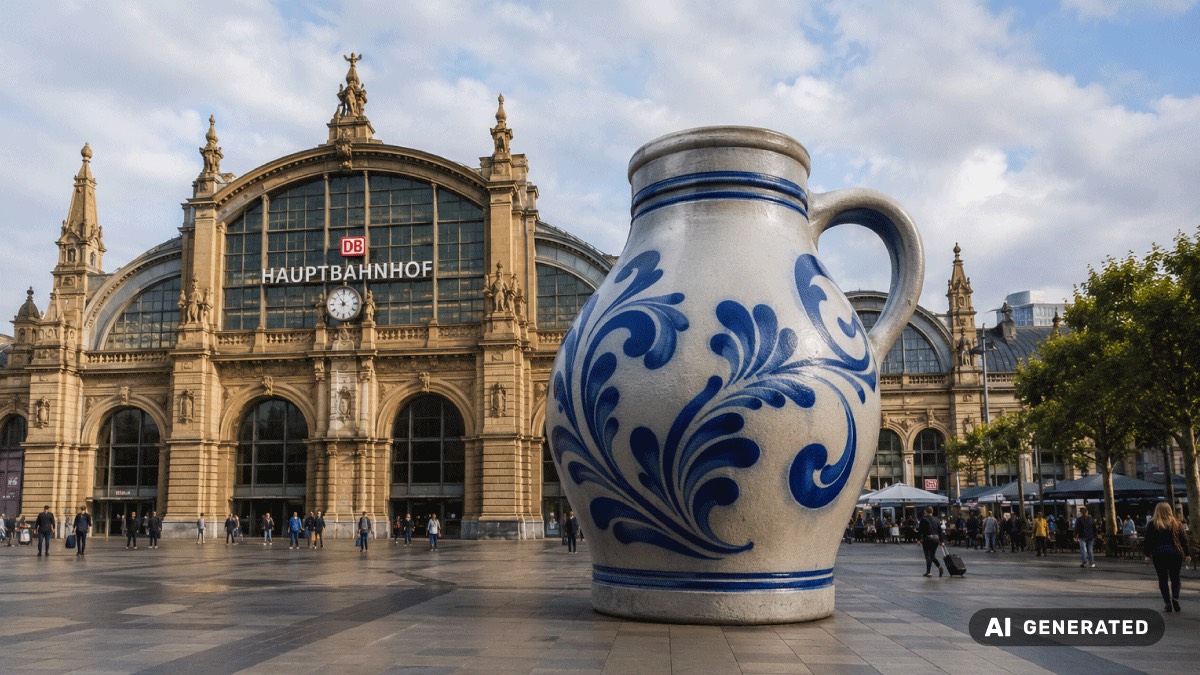
All the images below are AI-generated or AI-modified. On a real website, AI Image Label would label them like this – automatically, in the corner, with the official EU label or in your own CI variant.
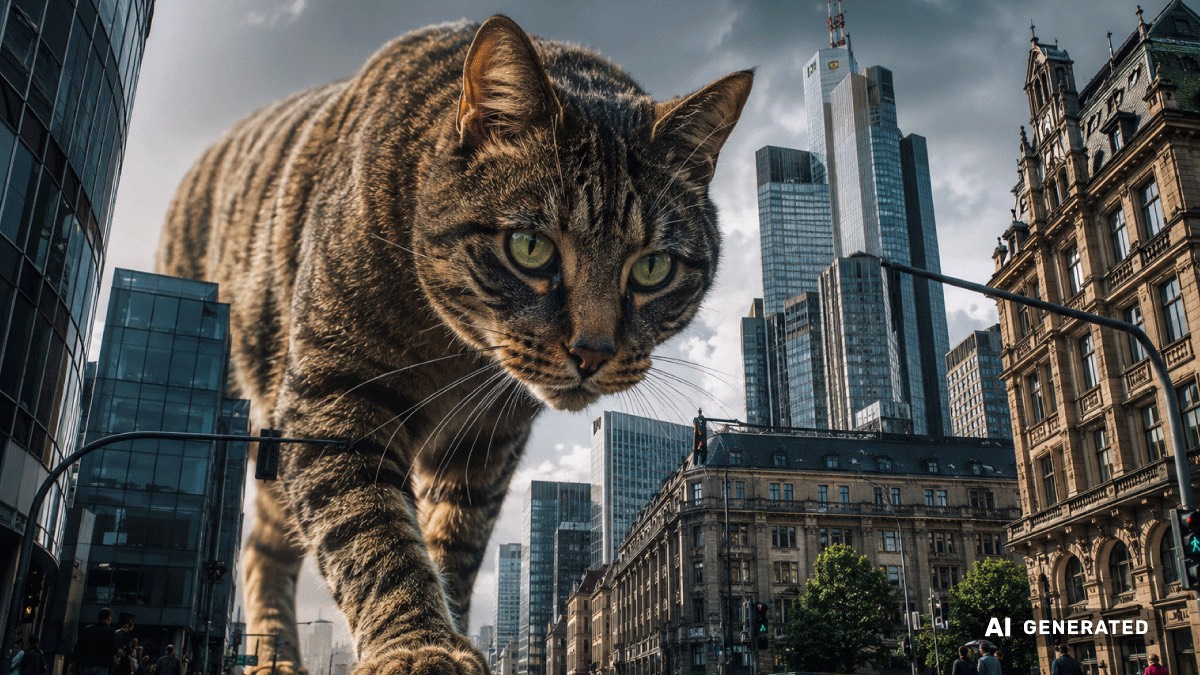

Position, size and caption are configurable – from the classic icon to your own graphic.
What AI Image Label can do
Automatic metadata check
Detects common generator signatures and C2PA provenance records on upload. Without an extra click for the editorial team.
Mandatory “AI Compliance” field
Three clear states: AI-generated, AI-modified, not AI-generated. No upload without a selection.
Labelling in the frontend
The official EU AI icon or your own CI variant, rendered directly on the image.
Catch up on existing images
Existing media can be checked and classified retrospectively. You don't start from scratch.
Traceability
The status of every image is documented in the backend and can be evaluated, including for internal audits.
Integration into your existing TYPO3
The extension works with the TYPO3 file management. No parallel system, no migration.
The TYPO3 extension for automatic AI labelling
AI Image Label is a commercial extension by Mediatis AG, not an open source module. It is currently in use at selected customers and is set up together with us.
Currently for TYPO3. For other CMS on request.
Frequently asked questions
What exactly does the EU AI Act require?
Article 50 requires artificially generated or manipulated image, audio and video content to be identifiable as such. The transparency obligations have applied since 2 August 2026.
What happens to images without metadata?
They are not waved through silently. The mandatory field forces a conscious decision by the editorial team. Responsibility stays documented.
And what about images we have already published?
The existing stock can be checked and classified retrospectively. How much effort that takes depends on the size of your media pool. We'll look at that together.
What is the difference between “AI-generated” and “AI-modified”?
“AI-generated” refers to images created entirely by an AI system. “AI-modified” applies to originally human-made images that have been substantially edited with AI – for example through generative retouching, expanding or cut-outs. Both must be labelled, but they are shown differently in the frontend.
Does AI Image Label work with other CMS as well?
At the moment we offer the extension for TYPO3. For other systems we develop the solution on request. Talk to us if you are using WordPress, Storyblok or another CMS.
Does this replace legal advice?
No. AI Image Label is the technical tool with which you implement your labelling obligations. The legal assessment of your individual case is a matter for your legal department or your lawyer.
2 August has passed. Is your website still not compliant with the labelling obligations?
Tell us which CMS you use and how big your media pool is. We'll get back to you with an honest assessment – and a realistic proposal for the next steps.
Mediatis AG
Münchener Straße 45
60329 Frankfurt am Main